Focused arrival windows
Useful updates and clear arrival timing.
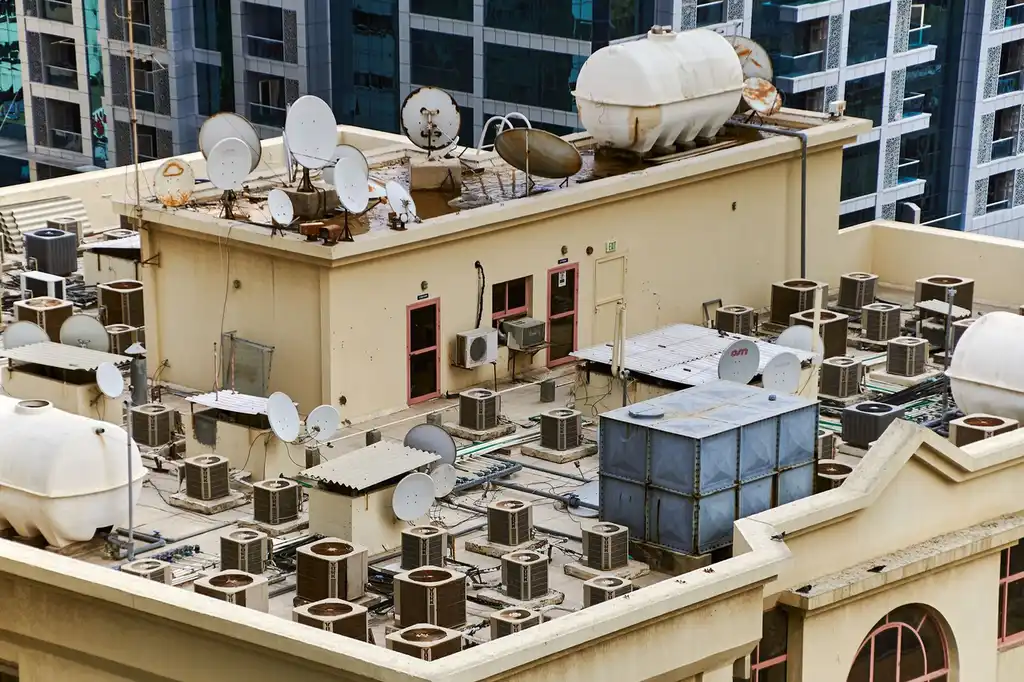
AC maintenance Mulberry FL is the work that keeps your cooling system alive through another Florida summer. We clean coils, test capacitors, check refrigerant charge, and catch small problems before they become August emergencies. Whether you own a 1980s ranch house off Shepherd Road or a newer build near Mulberry High, our technicians tune your system to run cooler, use less power, and last longer.
Useful updates and clear arrival timing.
Review the approach and price before deciding.
Equipped vehicles and respectful cleanup.
Neighbors serving neighbors with follow-through.
Every AC maintenance Mulberry FL visit covers the full system, inside and out. We inspect, clean, test, and adjust. If we find a part that needs replacement, we quote it before doing the work. Here is what you get.
We clean the evaporator and condenser coils with fin combs and coil cleaner. Dirty coils are the number one cause of high energy bills and frozen systems in Mulberry. Clean coils restore heat transfer and drop your supply-air temperature by 5 to 10 degrees.
We test the capacitor, contactor, and compressor windings with a multimeter and clamp meter. A capacitor reading low microfarads makes your compressor work harder and run hotter. Replacing a $15 capacitor during a tune-up prevents a $1,800 compressor failure.
We connect manifold gauges and check superheat and subcooling against manufacturer specs. If the charge is low, we use a leak detector to find the leak before adding R-410A or R-32 refrigerant. Topping off without fixing the leak wastes money.
We flush the PVC condensate line with water and check the drain pan for standing water. A clogged drain line causes water damage and shuts down your system. In Mulberry humidity, algae grows fast inside drain lines. Annual flushing keeps it clear.
We replace your air filter with the correct size and MERV rating for your system. A dirty filter restricts airflow, freezes the evaporator coil, and raises energy bills. We show you how to check it monthly and change it every 60 to 90 days.
You get a written report with every reading we took: temperature split, static pressure, capacitor microfarads, amp draw, and refrigerant pressures. If we found a part showing wear, you get a clear price to replace it. No guesswork, no pressure.
Share what is happening and receive a clear next step from the local team.
AC maintenance Mulberry FL is a scheduled service visit that inspects, cleans, and adjusts every part of your cooling system before it fails. We pull the access panels, check the capacitor and contactor, measure refrigerant charge with manifold gauges, flush the PVC condensate line, and test the blower motor amp draw with a clamp meter. A full visit runs 90 minutes to two hours and covers 20-plus checkpoints. You get a written report showing what we found, what we fixed, and what to watch next season.
Mulberry sits in Polk County where summer heat indexes hit 105 degrees and afternoon thunderstorms push humidity through the roof. That combination works your AC harder than almost anywhere in Florida. Without annual AC maintenance Mulberry, compressors fail early, coils freeze, and energy bills climb $40 to $60 a month. If you have been searching for AC maintenance near me in Mulberry FL, this is the service that prevents the 2 a.m. breakdown call.
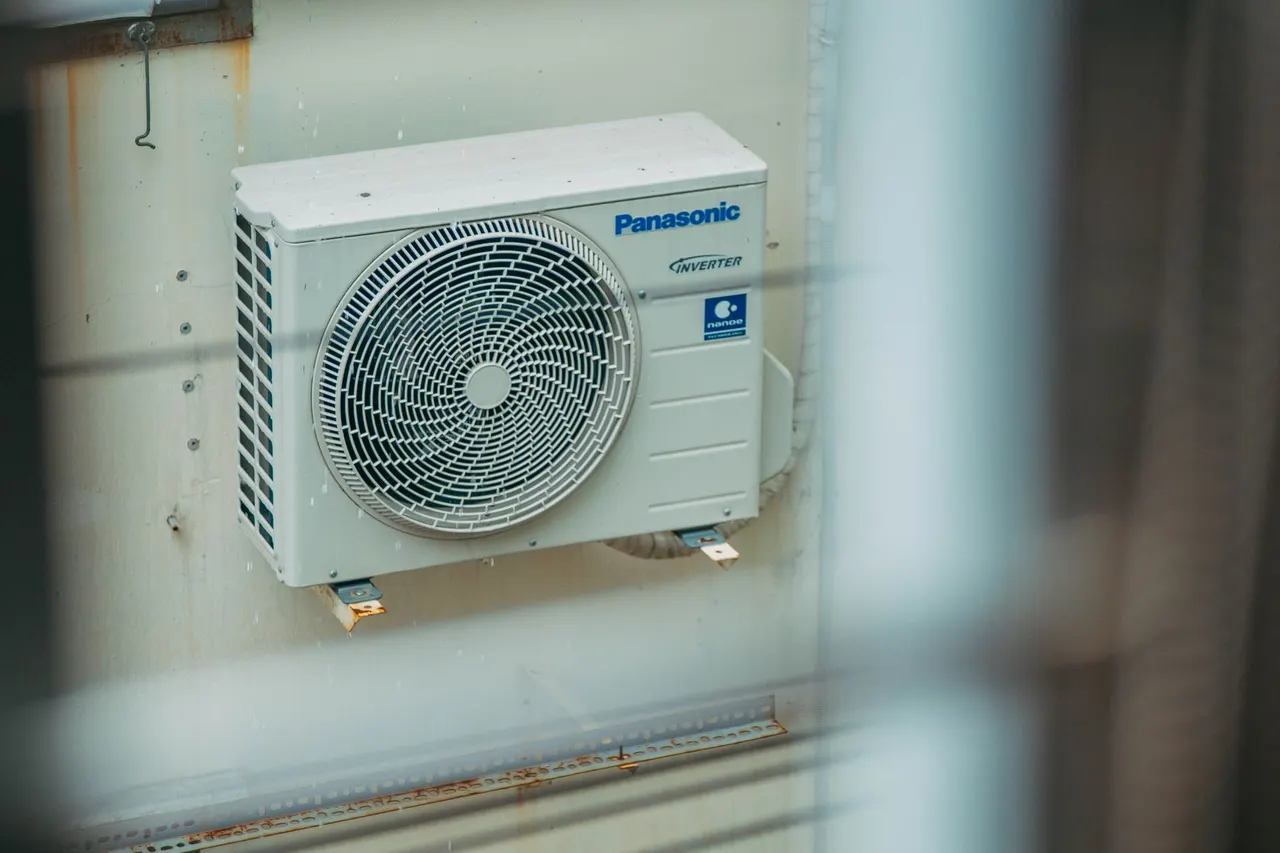
Call (863) 555-0147 or book online. We schedule most tune-ups within 48 hours and offer morning or afternoon windows. You get a text when the technician is 30 minutes out. No four-hour waiting windows, no 'sometime Tuesday' nonsense.
The technician starts at the air handler, checking the blower motor, evaporator coil, and drain pan. Then he moves outside to the condenser, inspecting the contactor, capacitor, and compressor windings. A multimeter and clamp meter confirm every electrical reading is within spec. This takes 30 to 40 minutes.
We clean the condenser coil with a fin comb and coil cleaner, flush the PVC condensate line, and replace your air filter. Refrigerant charge gets verified with manifold gauges and topped off if needed. All electrical connections get tightened and tested. This is the work that restores efficiency.
After cleaning and adjustment, we run the system for 15 to 20 minutes and measure supply-air temperature, return-air temperature, and static pressure with a duct pressure gauge. A 18 to 22 degree temperature split tells us the system is cooling correctly. If it is off, we find out why before we leave.
You get a printed or emailed report listing every reading we took, what we cleaned or adjusted, and any parts showing wear. If we found a capacitor reading 5 microfarads below spec or a refrigerant leak, you will see it in writing with a clear price to fix it. No pressure, no scare tactics.
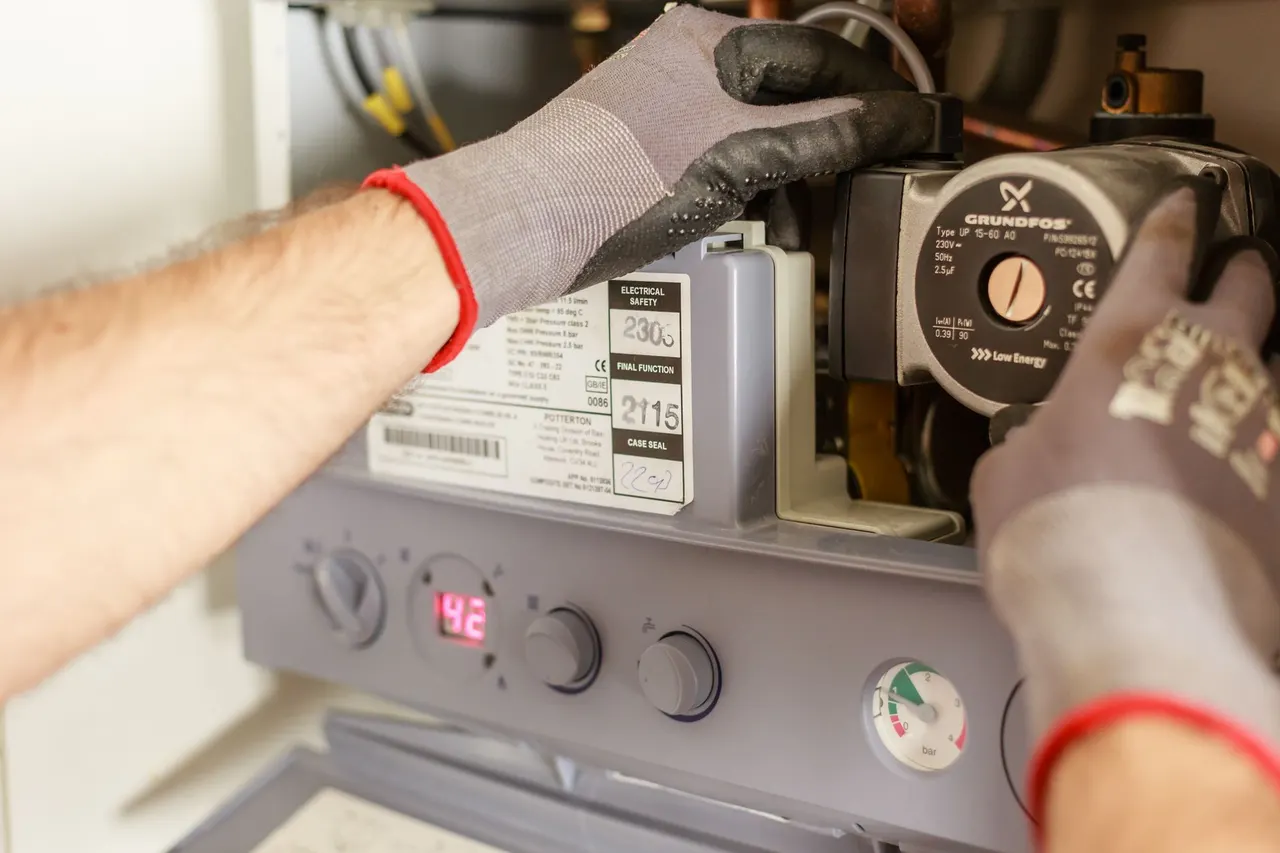
We connect these to the service ports to read high-side and low-side refrigerant pressures. The readings tell us if the system is overcharged, undercharged, or running correctly.
We clamp this around the blower motor and compressor wires to measure amp draw. High amps mean the motor is working too hard and may fail soon.
We use this to test capacitor microfarads, contactor voltage, and compressor winding resistance. A capacitor reading below spec gets replaced on the spot.
When refrigerant is low, we use an electronic leak detector to find the source. Common spots are Schrader valves, coil pinholes, and line-set rubs.
We measure static pressure inside the ductwork to check for restrictions. High static pressure means the blower is fighting a clogged filter or undersized ducts.
We use this to straighten bent fins on the condenser coil. Bent fins block airflow and reduce heat transfer. Straightening them restores efficiency.
If we need to remove refrigerant for a repair, we recover it into a tank instead of venting it. This is required by EPA Section 608 rules and keeps us compliant.
We follow ACCA standards for measuring airflow and verifying refrigerant charge. This means we check static pressure, temperature split, and superheat or subcooling against manufacturer specs. No guessing, no 'it feels cold enough.'
When we evaluate a system for replacement, we run a Manual J load calculation. This uses square footage, insulation, window orientation, and local climate data to determine the correct system size. An oversized system short-cycles and fails early.
Every technician handling refrigerant holds EPA Section 608 certification. We recover, recycle, and recharge refrigerant to EPA standards. This protects the environment and keeps your system running within manufacturer specs.
Our technicians hold NATE certification, which requires passing exams on electrical diagnostics, refrigerant cycle analysis, and system performance. When we say your capacitor is weak or your charge is low, it is based on measured readings, not guesswork.
We do a full inspection, clean the coils, test all electrical components, and check refrigerant charge. If we find worn parts, we quote them. You get a clear picture of your system's health and what to expect over the next few years. You avoid a surprise breakdown and get 3 to 5 more years out of your current system before replacement.
We inspect the entire system, from the air handler to the condenser. We check for refrigerant leaks, test the capacitor and contactor, and verify the system is sized correctly for your home. You get a written report on the system's condition. You know exactly what you bought and what it needs. No surprises in July.
A dirty coil, low refrigerant, or a weak capacitor forces your system to run longer. We clean, test, and adjust everything. Then we measure the temperature split and static pressure to confirm the system is running at peak efficiency. Your bill drops back to normal, and your system runs cooler with less strain.
Spring AC tune-up Mulberry Florida service gets your system ready before the first 95-degree day. We clean the coils, replace the filter, test the capacitor, and verify refrigerant charge. You start summer with a system that is running at full capacity. You avoid the summer rush, get priority scheduling, and start cooling season with a tuned system.
Mulberry sits in Polk County, where summer heat indexes hit 105 degrees and humidity stays above 70 percent for months. Your AC runs 8 to 9 months a year, which is harder on equipment than almost anywhere in Florida. Homes near the phosphate mines deal with extra airborne particulate that clogs filters faster. Older homes near downtown Mulberry often have undersized ductwork and original 1980s equipment. Newer builds off State Road 60 have tighter envelopes but still need annual service to maintain efficiency. We adjust our AC maintenance Mulberry FL visits to these local conditions. If you need affordable AC maintenance Mulberry FL, we schedule spring visits before the summer rush so your system is ready when the first heat wave hits. We also serve Lake Alfred, Highland City, Inwood, Polk City, Dundee, Eagle Lake, Lake Hamilton, Fort Meade, and Frostproof.
Older homes with original ductwork and 1980s AC systems. We often find undersized returns and leaking ducts. Maintenance visits here include duct inspection and airflow testing.
Mix of older ranches and newer builds. Systems here deal with heavy pollen from nearby oak trees in spring, so filter changes matter more.
Newer construction with tight envelopes and heat pumps. These systems need annual service to maintain warranty coverage and efficiency.
Established neighborhoods with mature trees. Shade helps cooling but drops debris on condenser units. We clean coils and check for airflow blockage.
Your system runs longer and works harder. Capacitors and compressors fail faster. Annual maintenance catches worn parts before they quit during a heat wave.
Condensate lines clog with algae faster. We flush every drain line during tune-ups and check for standing water in the pan.
Filters clog faster than in other Florida towns. We recommend changing filters every 60 days instead of 90 and inspect the blower wheel for buildup.
Power surges from lightning strikes can damage capacitors and control boards. We test electrical components during every visit and recommend surge protection.
A 10-year-old system in Mulberry had never been cleaned. The evaporator coil was matted with dust, the capacitor read 15 percent below spec, and the temperature split was only 12 degrees. The homeowner's July power bill hit $310.
We cleaned both coils, replaced the capacitor, and flushed the drain line. The temperature split improved to 20 degrees. The next power bill dropped to $235, and the system cycled normally instead of running constantly.
Maintenance: We put the homeowner on a maintenance plan with two visits per year. Filters get changed every 60 days, and we test the capacitor at every visit.
A Lake Alfred home had a system that froze every three days. The homeowner was thawing it with a hair dryer. The filter was clogged, and refrigerant was 12 ounces low due to a Schrader valve leak.
We replaced the filter, fixed the Schrader valve, and recharged the system to spec. The coil stopped freezing, and airflow returned to normal. The system has run without freezing for two cooling seasons.
Maintenance: The homeowner checks the filter monthly and schedules a tune-up every spring. We verify refrigerant charge at every visit to catch leaks early.
A Highland City system would hum but not start on hot afternoons. The capacitor tested at 25 microfarads instead of the rated 35. The compressor was drawing high amps and overheating.
We replaced the capacitor during a tune-up. The compressor now starts within two seconds and draws normal amps. The homeowner avoided a compressor replacement that would have cost $1,800.
Maintenance: We test capacitor microfarads at every maintenance visit. A $15 part gets replaced before it fails and leaves the homeowner without cooling.
Most AC failures start small. A weak capacitor, a dirty filter, a slow refrigerant leak. Annual service catches these before they leave you sweating in a 90-degree house.
Your system runs 24/7 but never hits the thermostat setpoint. Power bills climb $50 to $80 a month, and the compressor overheats from the strain. We clean the coils, test the capacitor, and verify refrigerant charge. In most cases, a dirty coil or low charge is the culprit. We fix it during the tune-up and show you the temperature split before and after.
Ice builds on the indoor coil and blocks airflow. You get warm air from the vents and water on the floor when it melts. Running the system this way can damage the compressor. We find the cause: low refrigerant, dirty filter, or a failing blower motor. We thaw the coil, fix the root issue, and verify airflow with a duct pressure gauge. Then we show you how to prevent it.
A blocked PVC drain line backs up water into your air handler and onto the floor. In Mulberry humidity, algae clogs form fast. Water damage repairs cost $500 to $2,000. We flush the condensate line during every tune-up and check the drain pan for standing water. If we find a clog, we clear it and treat the line to slow algae growth. This takes five minutes and prevents thousands in damage.
A capacitor fails without warning. The compressor hums but will not start. You are without cooling until a technician replaces it, often on the hottest day of the year. We test capacitor microfarads during every AC service Mulberry FL visit. If it reads below spec, we replace it on the spot. A $15 part during a tune-up saves you a $300 emergency call and a night in a hot house.
$129 - $189 per tune-up; maintenance plans start at $14 per month
A standard AC tune-up in Mulberry runs $129 to $189 in 2026, depending on system size and condition. That covers a full inspection, coil cleaning, electrical testing, refrigerant charge verification, and a written report. If we find a bad capacitor or low refrigerant, we quote the repair before doing the work. Our maintenance plans start at $14 a month and include two visits per year, priority scheduling, and 15 percent off repairs.
A $150 tune-up prevents $1,800 compressor failures and cuts monthly power bills by $20 to $40. Over five years, maintenance costs less than one major repair. It also keeps your system under manufacturer warranty, which requires annual service.
A 2-ton system takes less time to service than a 5-ton system. Heat pumps take slightly longer because we check the reversing valve and defrost board. We quote the price before we start.
A system that has never been serviced takes longer to clean. Heavy buildup on coils and blower wheels adds 30 to 45 minutes. We do not charge extra for dirty systems, but we may recommend a follow-up visit.
Homes with two AC systems pay for two tune-ups. We offer a discount when you schedule both on the same day. Most Mulberry homes with two systems save $40 to $60 by bundling.
If we find a weak capacitor or low refrigerant, we quote the repair separately. A capacitor replacement runs $85 to $150 installed. Refrigerant leak repair starts at $250 depending on location.
Plan members pay $14 a month and get two tune-ups per year. That works out to $168 annually, which is less than paying for two visits separately. Members also get 15 percent off repairs and priority scheduling.
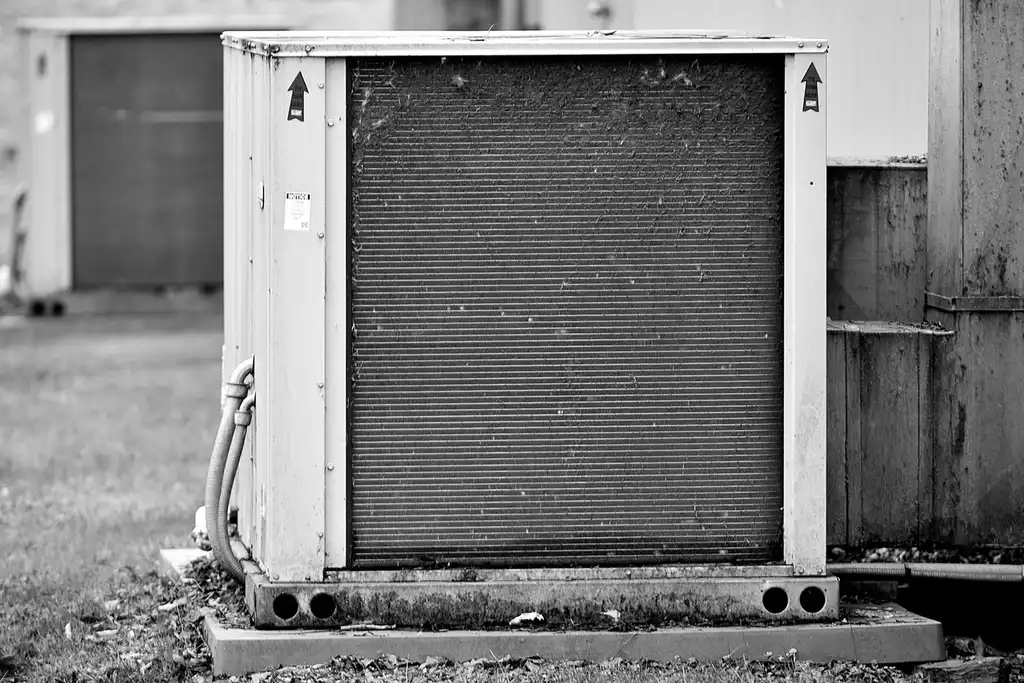
Our technicians hold NATE certification and EPA Section 608 certification, which means they are trained on refrigerant handling, electrical diagnostics, and system performance testing. We work on Carrier, Trane, Lennox, Goodman, Rheem, York, Mitsubishi Electric, Daikin, Bryant, and American Standard equipment every week. Every technician carries a Florida HVAC contractor license and follows ACCA standards for airflow and charge verification. We also run Manual J load calculations when sizing replacement equipment, so you never get a system that is too small for a Mulberry summer.
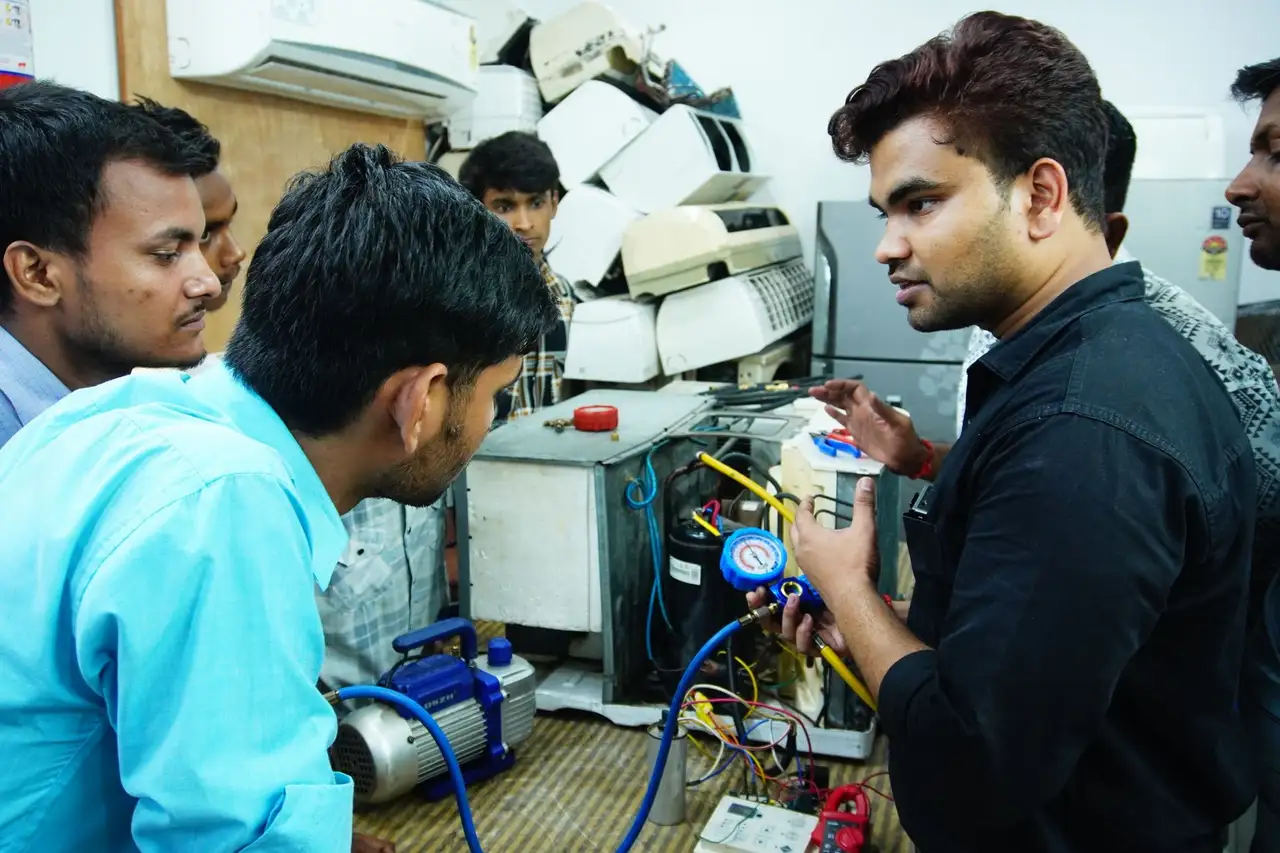
Our AC was running constantly and our power bill hit $280 in July. Polk County HVAC came out for a tune-up, cleaned the coil, and replaced a weak capacitor. The next bill dropped to $215. They showed me the readings before and after. I signed up for the maintenance plan on the spot.
I called because my system was freezing up every few days. The technician found a refrigerant leak at the Schrader valve, fixed it, and recharged the system. He also flushed the condensate line and replaced my filter. No more freezing, and the house cools faster than it has in years.
We have used Polk County HVAC for three years for annual maintenance. They always call ahead, show up on time, and leave a written report. Last spring they caught a blower motor pulling high amps and replaced it before it failed. That would have been a $600 emergency call in August.
Once a year minimum, ideally in spring before the cooling season starts. Mulberry systems run 8 to 9 months a year, so we recommend a second visit in fall if you have a heat pump. Annual AC maintenance Mulberry FL keeps your system within manufacturer warranty requirements and catches worn capacitors before they fail in July.
A standard tune-up runs $129 to $189 in 2026, depending on system size and condition. That covers cleaning, electrical testing, refrigerant charge verification, and a written report. If we find a bad capacitor or low refrigerant, we quote the repair separately. Maintenance plan members pay $14 a month and get two visits per year.
Every visit includes coil cleaning, capacitor and contactor testing, refrigerant charge check with manifold gauges, condensate line flush, air filter replacement, blower motor amp draw test, and a performance check. You get a written report showing every reading. If we find a problem, you get a clear price to fix it before we leave.
Yes. Our plans start at $14 a month and include two tune-ups per year, priority scheduling, and 15 percent off repairs. Plan members get their spring visit scheduled before the summer rush. Call (863) 555-0147 to enroll or ask your technician during your next visit.
Not seeing your question? Our local team can help you understand urgency, scheduling and what to expect.
Ask the local team
When your system stops cooling, we diagnose and fix it fast. We stock capacitors, contactors, and blower motors on every truck, so most repairs are done in one visit. If you have been putting off a tune-up, repair costs more.
View service
If your system is 15 years or older and facing a major repair, replacement may cost less over five years. We run a Manual J load calculation to size the new unit correctly, then install it to ACCA standards. Maintenance keeps your new system under warranty.
View service
Heat pumps cool and heat, so they work year-round in Mulberry. When the reversing valve sticks or the defrost board fails, we diagnose and repair it. Annual maintenance prevents most heat pump failures by catching worn parts early.
View serviceA heat pump that needs a compressor replacement at 12 years old is usually not worth fixing. We help you choose a replacement sized for your home and install it with a warranty. Maintenance visits keep the new unit running efficiently.
View serviceCall (863) 555-0147 any time - our line is answered 24/7 for emergencies. For non-urgent service, book online and we will confirm a window within the hour. Most Mulberry calls get a same-day slot, and we text you when the tech is on the way.