Focused arrival windows
Useful updates and clear arrival timing.
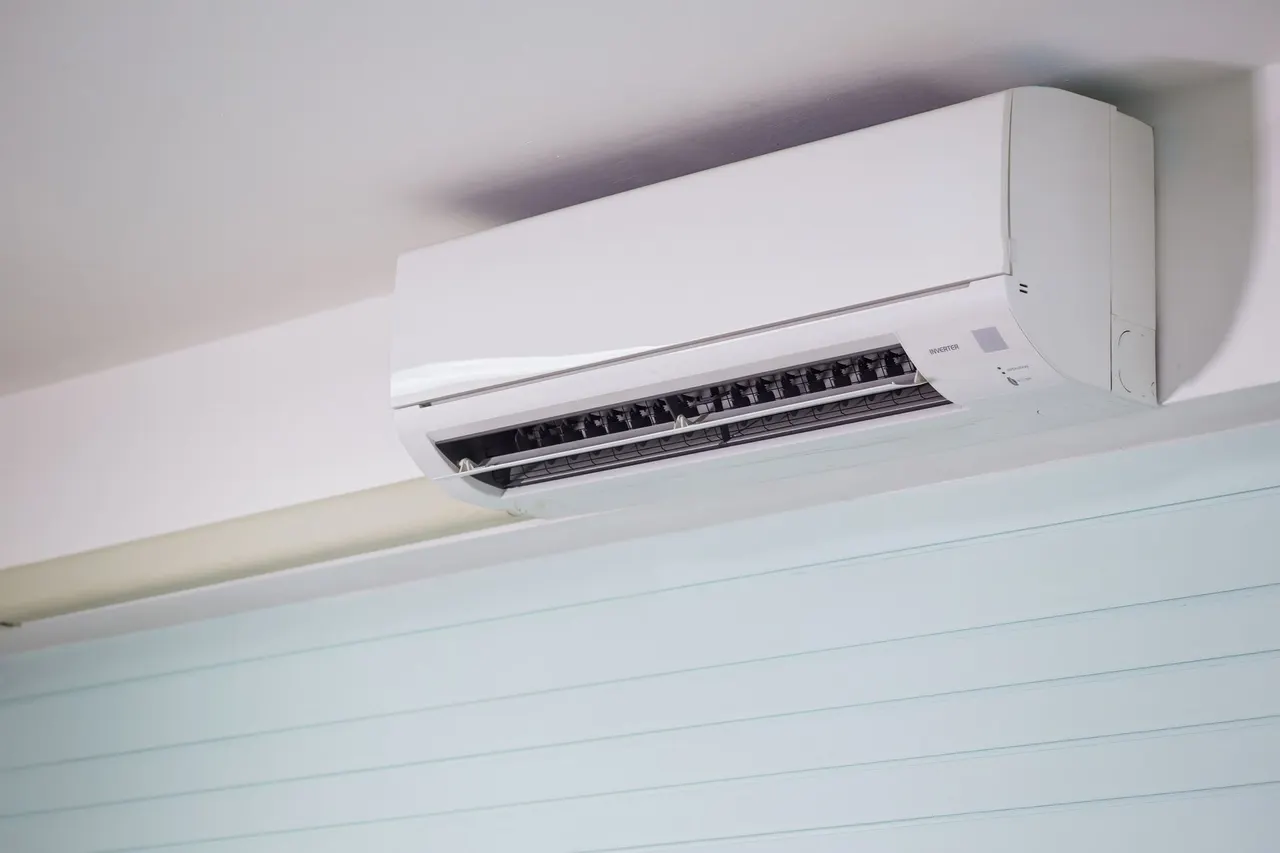
When your old system quits or a new build needs cooling, AC installation Mulberry FL homeowners trust starts with a proper Manual J load calculation, not a guess. We size, fit, and commission Carrier, Trane, and Goodman systems for homes across Polk County. Whether it's a 2-ton swap in a 1,400 sq ft ranch or a full central air installation Mulberry project, we handle permits, code, and cleanup.
Useful updates and clear arrival timing.
Review the approach and price before deciding.
Equipped vehicles and respectful cleanup.
Neighbors serving neighbors with follow-through.
Every AC installation we do comes as a complete, permitted package. You don't get nickel-and-dimed for the basics, and you don't get left with a system that fails inspection. Here's what's in the standard scope.
We measure square footage, insulation, windows, and duct sizing, then run the ACCA-approved load calc to determine exact tonnage. This is the single most important step in the job and it's included on every quote, not sold as an add-on.
We pull the mechanical permit with Polk County, schedule the inspection, and meet the inspector on site. You get the signed-off paperwork for your records and for resale. No homeowner legwork required.
Unless your existing copper and PVC test clean, we run new copper tubing and a new PVC condensate line with a float switch. Old line sets are a leading cause of refrigerant leaks and water damage in Florida attics.
We pull a deep vacuum with a vacuum pump, hold it, then charge R-410A or R-32 by weight on a refrigerant scale. No guessing by gauge, no overcharge that kills compressors early. This is where cheap installs cut corners.
A new programmable or smart thermostat is included and configured for your schedule. We show you how to change the air filter and set a reminder. Most Mulberry homes need a filter change every 60 to 90 days during cooling season.
We remove the old condenser, air handler, and coil, then haul everything off. Floors get swept, attic insulation gets put back, and the outdoor pad is left level. You shouldn't be able to tell we were there except for the cold air.
Share what is happening and receive a clear next step from the local team.
AC installation Mulberry FL is the licensed removal and replacement of your home's cooling system, including the condenser, evaporator coil, line set, thermostat, and duct connections. It's not a box swap. We pull the old unit, recover refrigerant with a recovery machine, braze new copper tubing, pressure-test to 500 psi, and pull a deep vacuum before charging by weight on a refrigerant scale. Every job ends with a Manual J load calculation, an AHRI-matched system, and a signed-off permit with Polk County.
Mulberry summers push 95°F with humidity that never lets up, so undersized or mismatched equipment runs nonstop and dies early. If your system is 12 to 15 years old, uses R-410A, or has needed two or more repairs in a year, replacement usually beats repair. That's why so many homeowners search for a new AC installation in Mulberry FL before the first 90-degree week hits. We also handle AC replacement and installation Mulberry Florida for rental properties and small commercial spaces.
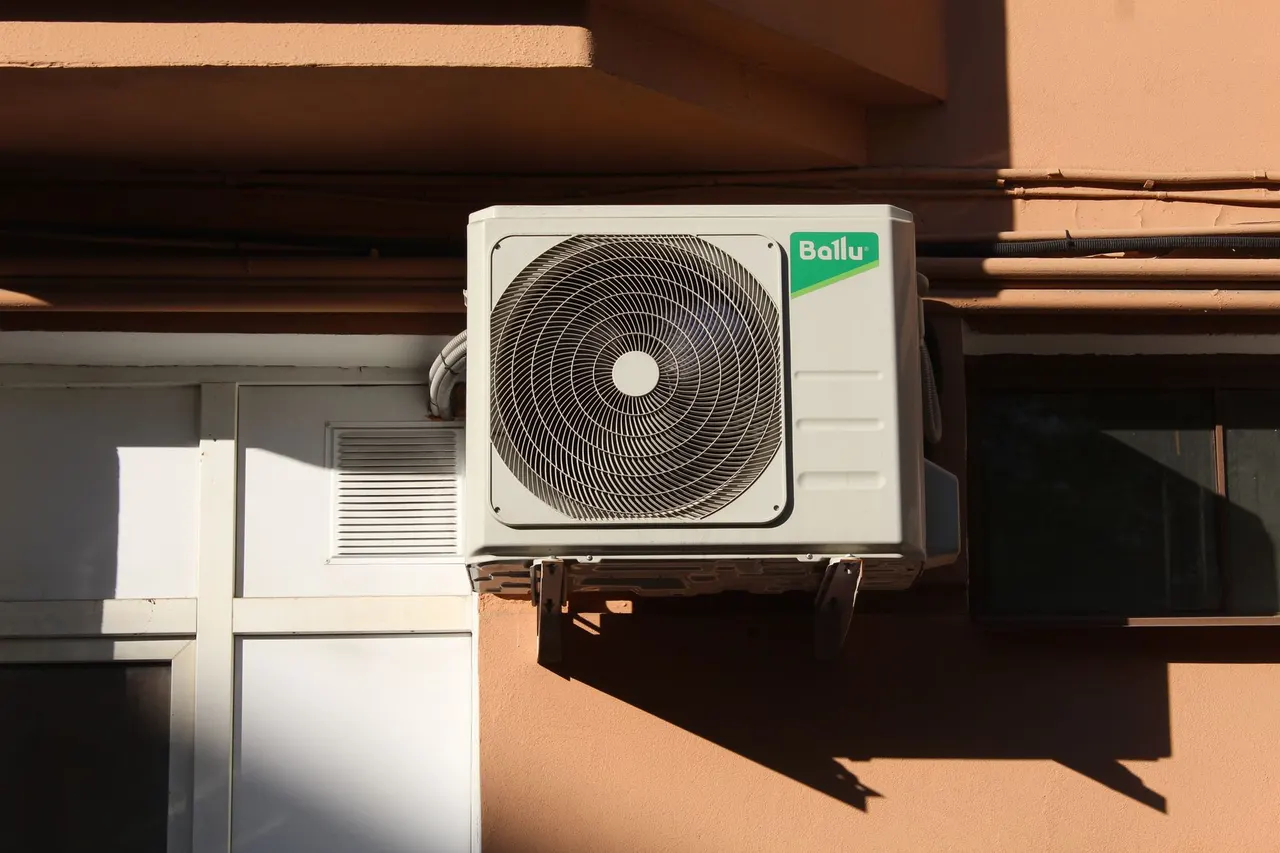
We walk the house, measure square footage, check window orientation, insulation, and existing duct size. We run a Manual J load calculation to get the right tonnage, then quote you a fixed price on the spot. No pressure, no upsell scripts. Takes about 45 to 60 minutes.
You pick from Carrier, Trane, Lennox, Goodman, Rheem, or Daikin options matched to your budget and efficiency goals. We show you the AHRI certificate for the exact coil-and-condenser pairing so you know the SEER2 rating is real, not a brochure number. Financing is available on approved credit.
We pull the mechanical permit with Polk County and schedule the install. On install day our crew lays drop cloths, protects floors, and disconnects power at the breaker. We recover the old refrigerant with an EPA-compliant recovery machine before anything gets cut.
New pad, new line set, new PVC condensate line with a float switch, new thermostat. We braze, pressure-test, pull a deep vacuum with a vacuum pump, then charge by weight using a refrigerant scale and manifold gauges. Typical install runs 6 to 9 hours.
We run the system through a full cooling cycle, check delta-T across the coil, verify static pressure, and confirm the thermostat holds setpoint. You get a walkthrough of the filter, the thermostat, and the warranty paperwork. We haul off the old equipment and leave the space cleaner than we found it.

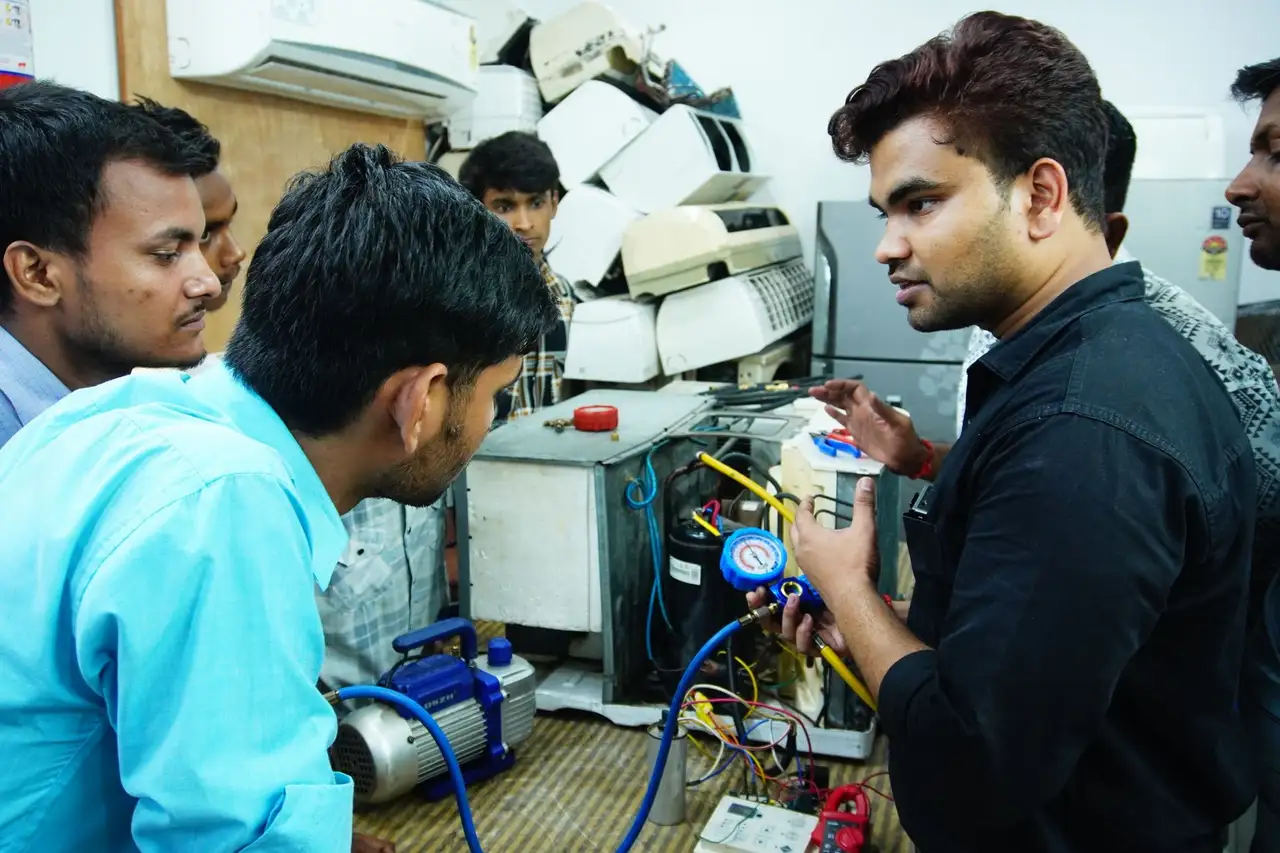
Used to read suction and liquid pressures during charging and to verify the system is running in the correct range for the outdoor temperature. We cross-check against superheat and subcooling targets.
Pulls the system down to 500 microns or lower before charging. Skipping this step leaves moisture in the line set, which forms acid and kills compressors years early.
Recovers old R-410A per EPA Section 608 rules and charges the new system by weight. Charging by weight is the only way to hit the manufacturer's exact factory charge.
Pressurizes the new line set with nitrogen to 500 psi and uses an electronic leak detector to find any pinhole before we charge. Catches problems while they're still free to fix.
Measures static pressure across the air handler to confirm airflow, and checks voltage and amp draw on the compressor, blower motor, and contactors at startup.
Straightens bent condenser fins for proper airflow and cuts copper tubing square for clean brazed joints. Small tools, but they separate a professional install from a rushed one.
The ACCA-approved method for sizing a system based on actual house data: square footage, insulation R-values, window area and orientation, ceiling height, and duct leakage. We run it on every quote, so you get the right tonnage instead of a rule-of-thumb guess that leads to short cycling and high humidity.
We only install condenser-and-coil combinations listed in the AHRI directory, which means the SEER2 rating on the sticker is the rating you actually get. Mismatched components void manufacturer warranties and deliver lower efficiency than advertised.
After brazing, we pressurize with nitrogen and hold it to confirm no leaks, then pull a deep vacuum to 500 microns. This two-step process removes moisture and non-condensables that would otherwise shorten compressor life.
Before we leave, we run a full cooling cycle and measure temperature drop across the evaporator coil, typically 18 to 22 degrees. We also verify static pressure, thermostat operation, and condensate drainage so the system is proven working, not just installed.

We run a Manual J, quote a matched replacement with a 10-year parts warranty, and schedule the install within the week. Most jobs are done in one day with the permit pulled and inspection scheduled. You get a system that cools to setpoint on the hottest afternoon, a lower power bill, and no more repair calls for a decade.
We measure the house, run the load calc, and confirm it needs 3 tons. We install a correctly sized variable-speed system, seal the return, and add a float switch on the new condensate line. Rooms that never cooled before now hold 74 degrees, and the humidity drops from clammy to comfortable within the first week.
We prioritize the job, pull the permit, and install a new heat pump with electric backup heat strips. Same-day or next-day scheduling is standard for rentals and emergencies. Tenant stays warm, lease stays intact, and you get a documented install with warranty paperwork for your records.
We quote an upgrade to a 16 to 18 SEER2 variable-speed system with a smart thermostat and a properly sized return. We coordinate with your builder and pull the permit under our license. You move into a house that cools evenly, runs quietly, and costs less to operate than the base package would have.
Mulberry sits in the middle of Polk County, and the climate here is brutal on cooling equipment. Summer design temperatures hit 95°F with high humidity, and systems run 8 to 9 months a year. That means equipment sized for a milder climate will short-cycle and fail early. We size for the actual load, not a national average. Building stock matters too: 1950s to 1970s block homes near downtown often have undersized returns and original duct work, while newer builds off SR-60 tend to have tighter envelopes that need less tonnage but better humidity control. We pull mechanical permits through Polk County on every changeout, and we install to Florida Building Code and ACCA standards. If you're looking for energy efficient AC installation Mulberry FL, we'll show you the SEER2 math on your actual usage so you can see the payback before you commit.
Older block homes with original duct work and small returns. We often resize the return and seal accessible duct during install to fix hot-room complaints.
Mix of older ranches and newer builds. Line-set routing through attics here needs care around low-clearance areas and existing insulation.
Newer construction with tighter envelopes. These homes often need variable-speed equipment to control humidity, not just raw tonnage.
Some homes have limited space for outdoor pads and non-standard electrical. We plan pad placement and any electrical upgrades during the quote.
Systems run near continuous duty from May through September. Undersized or poorly charged equipment fails years early, so correct sizing and charge by weight matter more here than in milder markets.
Outdoor pads can settle unevenly over time. We set condensers on a level pad and check it at install so the unit stays quiet and the compressor isn't stressed by tilt.
Line sets and air handlers in the attic take a beating. We insulate suction lines properly and route condensate lines to drain where they won't freeze or clog in extreme heat.
Every changeout needs a permit and a passed inspection. We handle both, which protects you at resale and keeps your insurance clean if you ever file a claim.
A 1,600 sq ft block home with a failing 2-ton R-410A system, hot back bedroom, and a $260 summer power bill. The old condenser was short-cycling and the evaporator coil was partially clogged.
We installed a 2.5-ton 16 SEER2 variable-speed system with a new line set and a sealed return. Delta-T measured 20 degrees at commissioning. The back bedroom now holds 74 degrees, and the first full summer bill came in at $178.
Maintenance: Change the air filter every 60 days, pour vinegar down the condensate line each spring, and book a tune-up before Memorial Day. That keeps the system at rated efficiency and protects the warranty.
A rental property with a 15-year-old heat pump that failed in October. Tenant had no heat, and the property manager needed it fixed before the first cold front. Existing line set showed signs of a slow refrigerant leak.
We installed a new 3-ton heat pump with electric backup strips, ran a new line set, and pulled the permit the same week. System was cooling and heating by day's end. Tenant stayed in place and the lease stayed intact.
Maintenance: We set the property on a twice-a-year maintenance schedule so the filter, coil, and drain get checked between tenants. That's cheaper than emergency calls and keeps the warranty valid.
A 2,400 sq ft new build with the builder's base 14.3 SEER2 single-stage unit. Homeowner noticed upstairs rooms ran 5 degrees warmer than downstairs and humidity stayed above 58 percent.
We upgraded to a 4-ton 18 SEER2 variable-speed system with a smart thermostat and a resized return. Room-to-room swing dropped to 1.5 degrees, and indoor humidity settled at 48 to 52 percent. Estimated annual cooling savings: $340.
Maintenance: Keep the smart thermostat on a humidity-aware schedule, replace the filter every 90 days, and schedule a fall tune-up. Variable-speed equipment rewards clean filters with noticeably lower run times.
Some cooling problems can't be repaired out of an old system. When you're chasing the same failures year after year, replacement is the cheaper path. Here's what we fix permanently.
You keep paying $300 to $600 per visit while the house never gets below 78 degrees in July. The compressor is on its way out and refrigerant is leaking somewhere you can't see. We replace the condenser, coil, and line set as a matched AHRI system, so the leak source and the failing compressor both go away. You get a warranty on the whole assembly, not just one part.
Ice builds on the indoor coil, airflow drops, and the system runs nonstop without cooling. Thawing it yourself gets old fast, and the compressor takes a beating every cycle. Frozen coils usually trace back to low charge, a dirty coil, or restricted airflow. On a replacement we correct all three: proper charge by weight, new coil, and a duct static pressure check to confirm airflow is right.
A backed-up drain pan overflows into the ceiling or closet, staining drywall and creating mold. In Florida humidity, that happens fast, often within a day or two of the clog forming. Every install includes a new PVC condensate line routed to code with a float switch that shuts the system off before overflow. We also show you where to pour vinegar each spring to keep it clear.
Leaky ducts in a 100-degree attic can lose 20 to 30 percent of your cooling before it reaches the rooms. You pay for it on every power bill and still have hot bedrooms. We test static pressure and inspect accessible duct work during the install. Where we find leaks or undersized returns, we seal and resize them. Most homes see a 4 to 7 degree room-to-room swing drop to 1 to 2 degrees.
$5,500 - $11,000 depending on size, efficiency, and duct scope
Typical 2026 pricing in Mulberry runs $5,500 to $11,000 for a full system replacement, including equipment, labor, permit, and haul-away. The low end covers a basic 2-ton 14.3 SEER2 single-stage setup; the high end covers a 4-ton variable-speed heat pump with duct modifications. We quote flat-rate after a Manual J, so the number you see is the number you pay. Financing is available on approved credit with terms from 12 to 120 months, and we'll show you the monthly payment on each option side by side.
You're paying for a permitted, code-correct install with a matched AHRI system, a proper vacuum and charge by weight, and a labor warranty. Cheap installs skip the vacuum, skip the permit, and skip the load calc. That's how you end up replacing the same system in 8 years instead of 18.
A 2-ton system costs less than a 4-ton, but only if 2 tons is actually correct. Oversizing to save money backfires with short cycling and humidity problems. The Manual J tells us the right number, and we quote to that.
A 14.3 SEER2 single-stage unit sits at the low end; a 16 to 18 SEER2 variable-speed unit costs more upfront but cuts cooling costs 25 to 40 percent. In Mulberry's long cooling season, the higher tier usually pays back in 4 to 6 years.
If your existing ducts test clean and the line set holds pressure, we reuse them and the price drops. New copper, resized returns, or sealed duct work adds cost but fixes hot-room and humidity problems at the same time.
Some older Mulberry homes need a dedicated circuit, a disconnect, or a panel upgrade to support the new equipment. The Polk County mechanical permit is included in every quote, not billed separately.
A basic programmable thermostat is included. Upgrades to a smart thermostat, a UV air purifier, or a surge protector add cost. We only recommend accessories that solve a real problem in your home, not as a default add-on.

Our technicians hold NATE certification and EPA Section 608 certification, and we work under a Florida HVAC contractor license. We install to ACCA standards and pull permits on every changeout, because unpermitted work is a problem when you sell the house. We've commissioned hundreds of systems across Mulberry, Lakeland, and the surrounding Polk County towns, from 1970s block homes near the phosphate plants to new construction off SR-60. We know how this climate stresses equipment, and we build for it.
Our 14-year-old unit died on a Friday in July. Polk County HVAC had a 3-ton Goodman in by Monday afternoon. They pulled the permit, ran a new line set, and even replaced the condensate drain that was clogging every summer. House held 74 degrees through the next heat wave. Price matched the quote exactly.
I manage three rentals and needed a heat pump swap at the Mulberry property fast. They did a Manual J, showed me the AHRI certificate, and had it cooling by 4 pm the same day. Tenant hasn't called once since. I've used them on two more units since then.
We got three quotes and Polk County HVAC was the only one that actually measured the house and ran a load calc. They found our old system was oversized, which explained the humidity. New variable-speed Carrier fixed it. Power bill dropped about $70 a month compared to last summer.
Most full system replacements in Mulberry run $5,500 to $11,000 in 2026, including equipment, labor, permit, and haul-away. A basic 2-ton 14.3 SEER2 single-stage setup sits near the low end; a 4-ton variable-speed heat pump with new duct work pushes the top. Duct modifications, line-set length, and electrical upgrades add cost. We quote flat-rate after a Manual J, so the number you get is the number you pay.
Size comes from a Manual J load calculation, not square footage alone. A 1,500 sq ft Mulberry block home with average insulation usually needs 2.5 to 3 tons; a 2,400 sq ft newer build with good windows often needs 3.5 to 4 tons. Ceiling height, window orientation, attic insulation, and duct leakage all shift the number. Oversizing causes short cycling and humidity problems, so we never guess.
A straight swap of a matched condenser and coil takes 6 to 9 hours, so most jobs are done in one day. If we're replacing the line set, modifying duct work, or upgrading electrical, plan on two days. We start in the morning and don't leave until the system is cooling and the thermostat is holding setpoint. You'll have cold air the same day in nearly every case.
Yes. We offer financing on approved credit through third-party lenders, with terms from 12 to 120 months. Many homeowners use a 0 percent promotional plan for 12 to 18 months and pay it off before interest kicks in. We'll walk you through the monthly payment options during the quote so you can compare a basic system against a higher-efficiency unit side by side.
Not seeing your question? Our local team can help you understand urgency, scheduling and what to expect.
Ask the local team
If your system is still under 12 years old and the repair bill is under a third of replacement cost, repair usually wins. We diagnose AC not cooling, blown capacitors, refrigerant leaks, and thermostat malfunctions across Mulberry with same-day service.
View service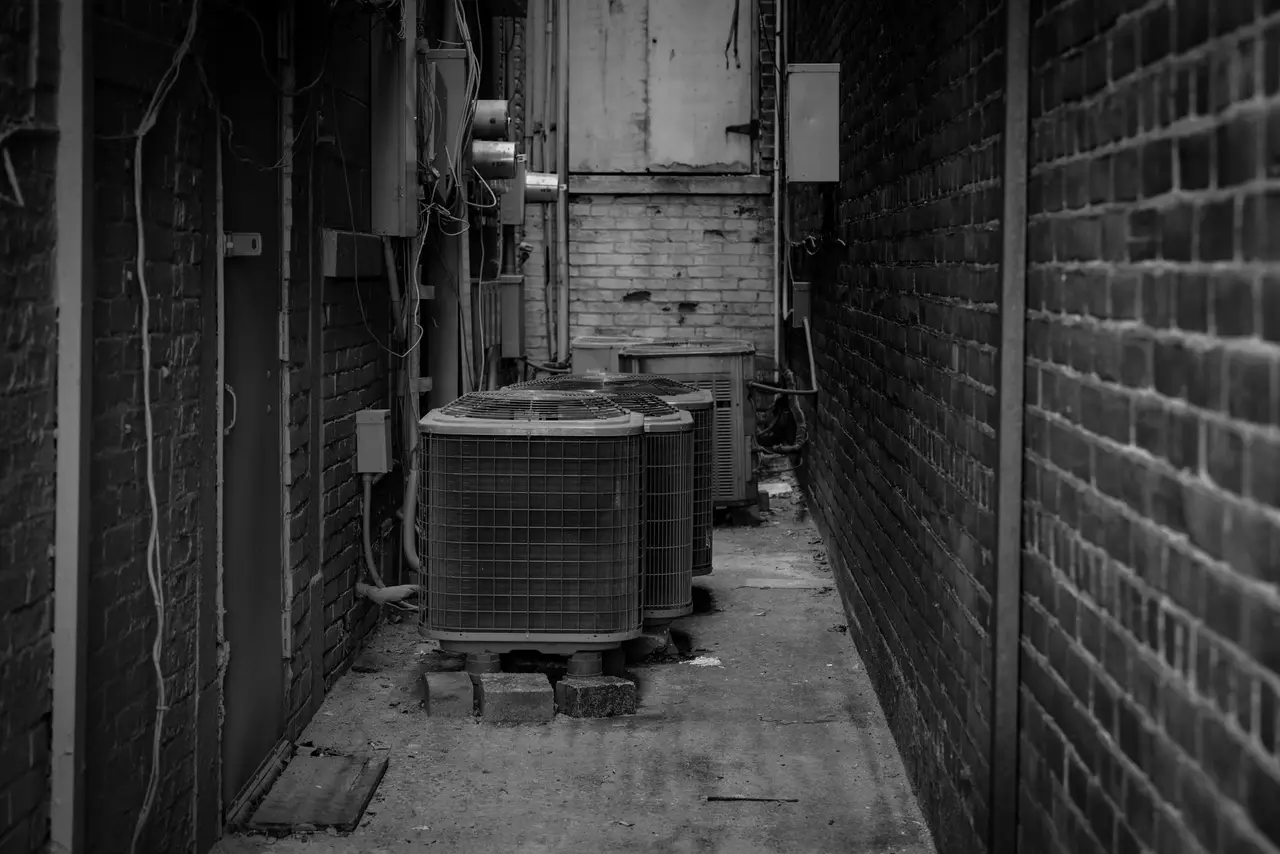
Twice-a-year tune-ups keep a new install running at rated efficiency. We clean the evaporator coil, check refrigerant charge with manifold gauges, test capacitors and contactors, and flush the condensate drain. Mulberry homeowners on our maintenance plan get priority scheduling.
View service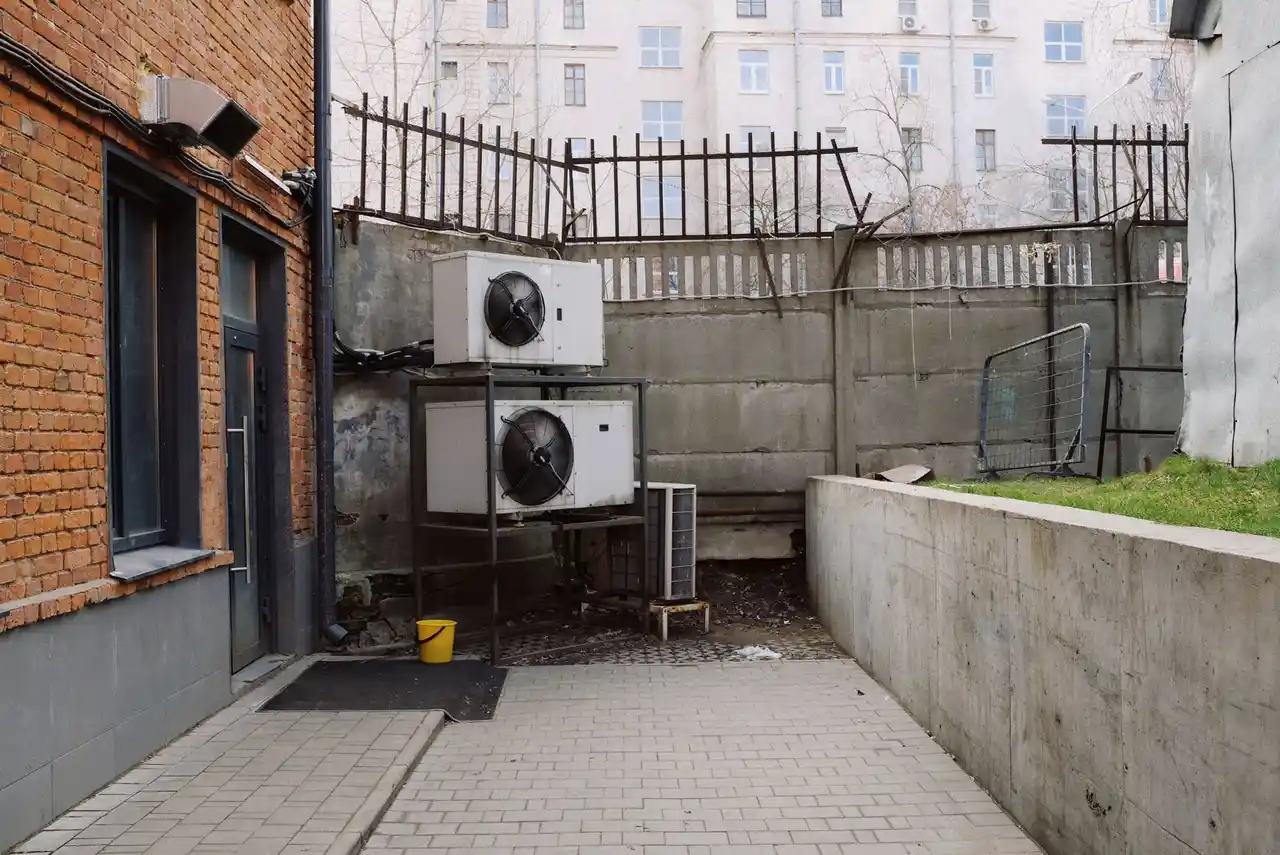
Most systems we install in Mulberry are heat pumps, since they handle both cooling and winter heating. When a heat pump stops heating or ices over, we diagnose reversing valves, defrost boards, and auxiliary heat strips fast so you're not stuck in a cold snap.
View serviceWhen a heat pump hits end of life, we swap it for a modern variable-speed unit that cools better in summer and heats cheaper in winter. Same Manual J sizing, same permit process, same one-day turnaround as a standard AC replacement.
View service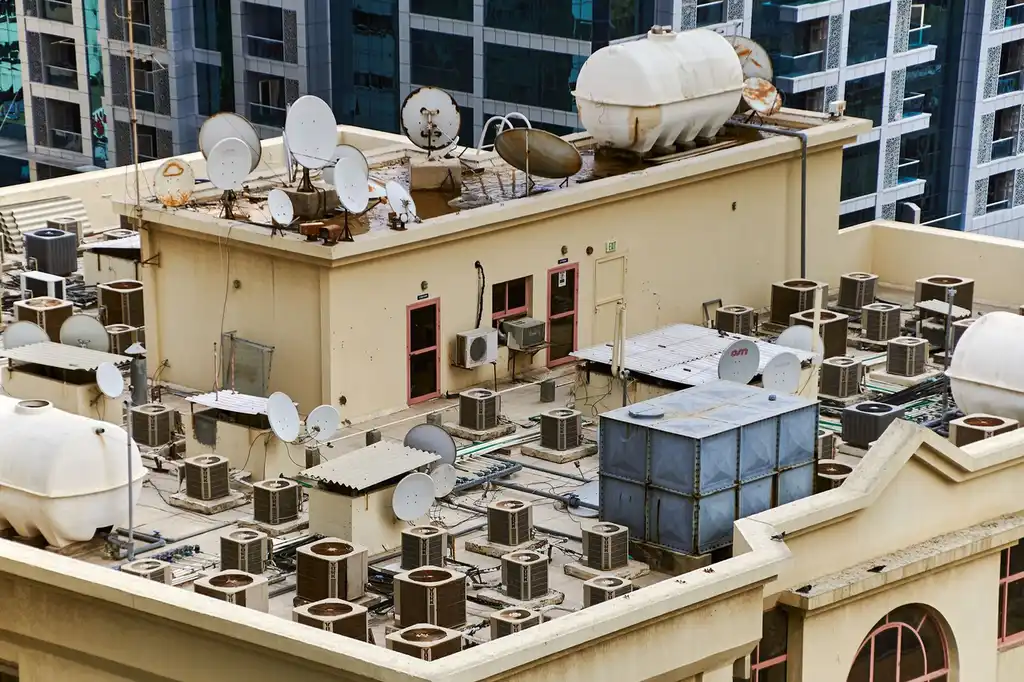
Call (863) 555-0147 any time - our line is answered 24/7 for emergencies. For non-urgent service, book online and we will confirm a window within the hour. Most Mulberry calls get a same-day slot, and we text you when the tech is on the way.